
Wörschweiler Abbey Ruins
Ruins of a Cistercian abbey on a hill above the Blies valley near Homburg, founded in 1131 and burned down in 1614, freely accessible on foot.
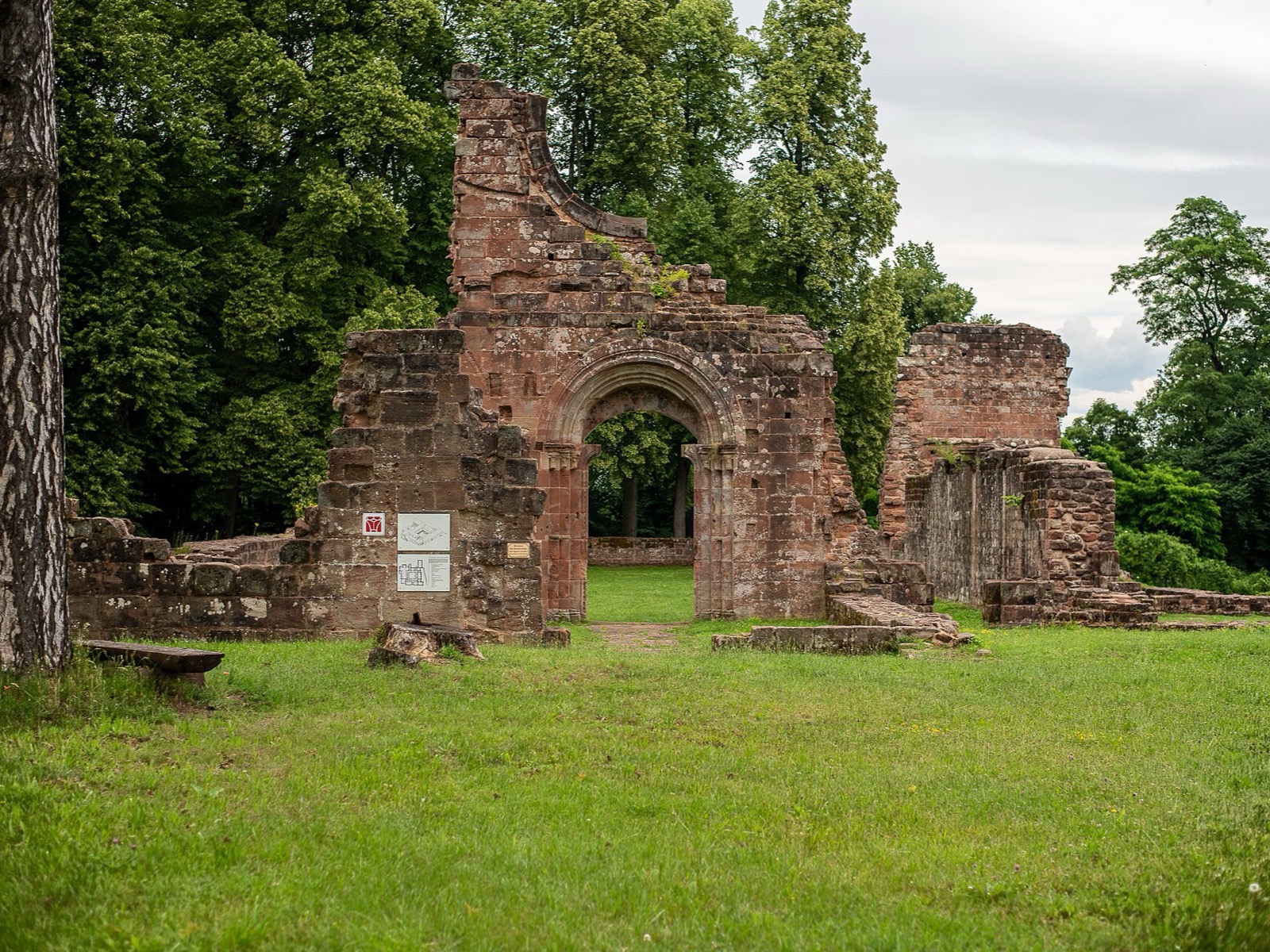
Photo: Flocci Nivis · CC BY 4.0
The ruins of Wörschweiler Abbey lie 315 metres above sea level on a ridge over the Blies valley, in the municipality of Homburg. The Counts of Saarwerden founded a Benedictine priory here in 1131. Cistercians from Villers-Bettnach in Lorraine took over in 1171. The abbey was dissolved in 1558 during the Reformation and burned down in 1614.
Parts of the west front with its stepped portal and the remains of a rose window still stand, along with the outlines of the cloister and chapter house. Several tomb slabs are displayed on site, others are kept at the Roman Museum in Schwarzenacker.
A footpath leads up from the village of Wörschweiler. The audio walk from Mönch-Philipp-Platz is 2.3 kilometres there and back and takes about an hour and a half.
Near Wörschweiler Abbey Ruins
Homburg · 700 m
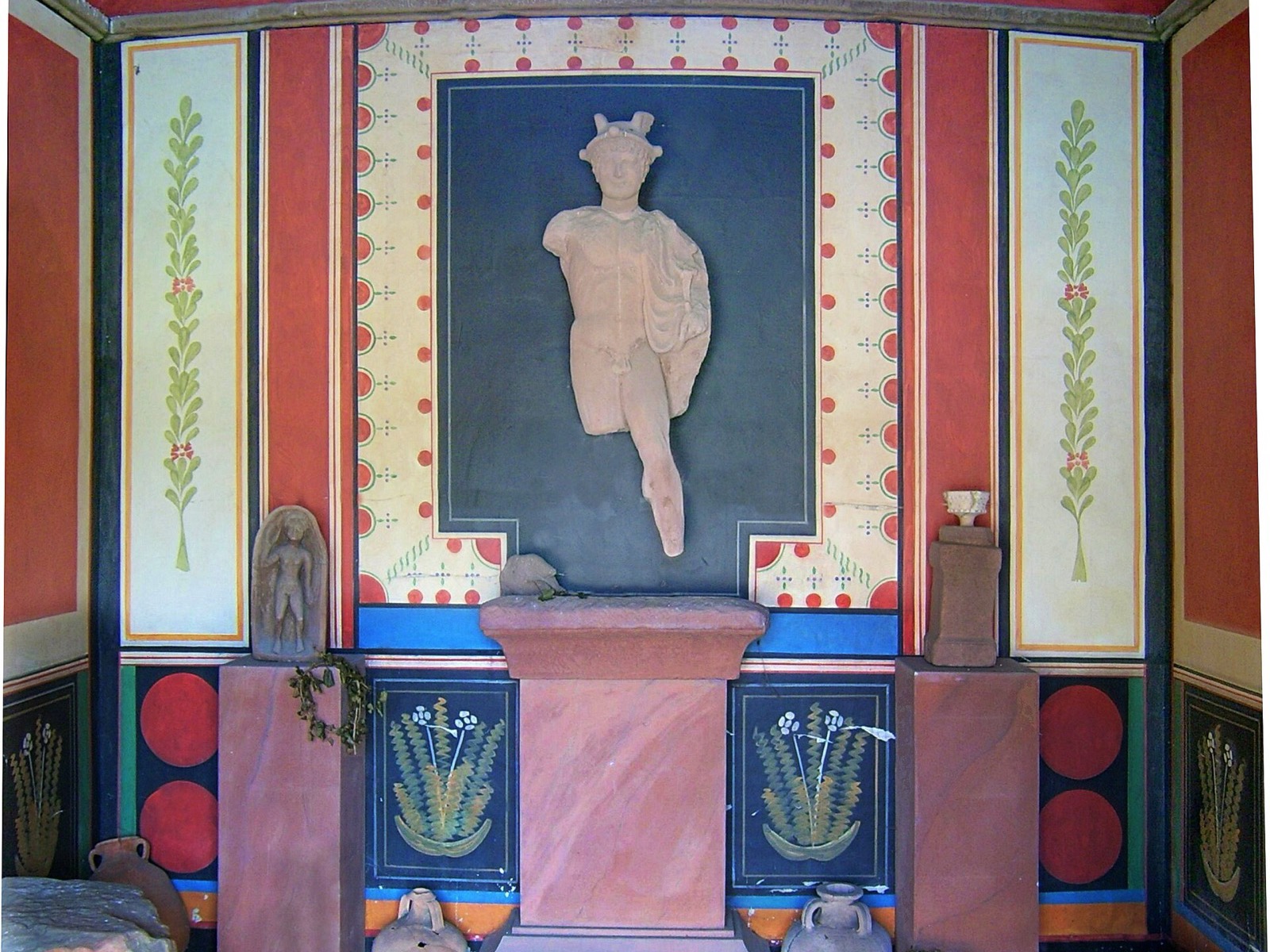
Roman Museum Schwarzenacker
Open-air museum in Homburg-Schwarzenacker on the site of a Gallo-Roman town destroyed around 275 AD, with rebuilt houses, a temple and a Baroque mansion.
Homburg · 4.8 km
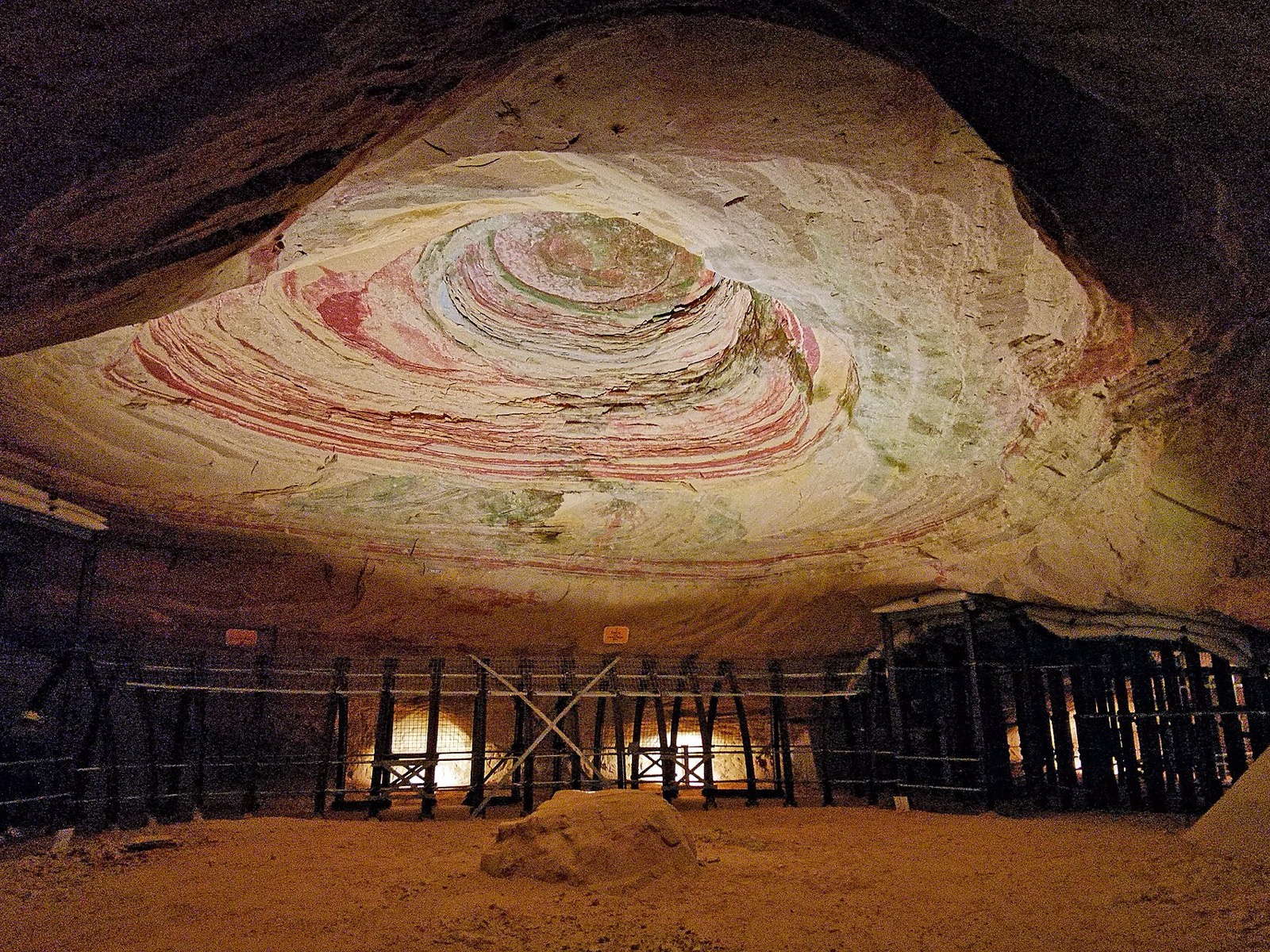
Schlossberg Caves Homburg
Europe's largest sandstone caves beneath the Schlossberg in Homburg: an 800-metre circuit through colourful halls and an unfinished 1950s bunker.
Blieskastel · 4.9 km
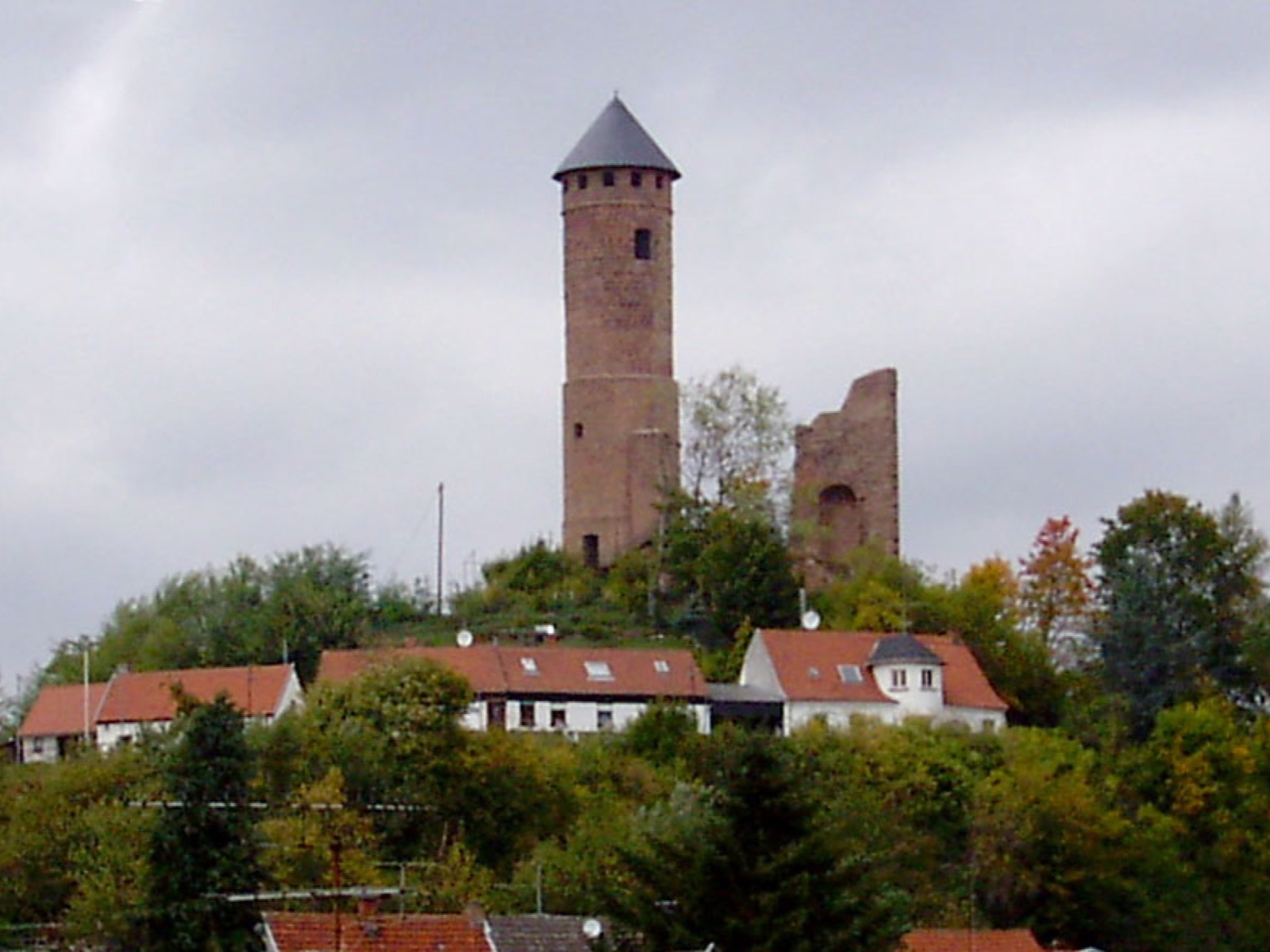
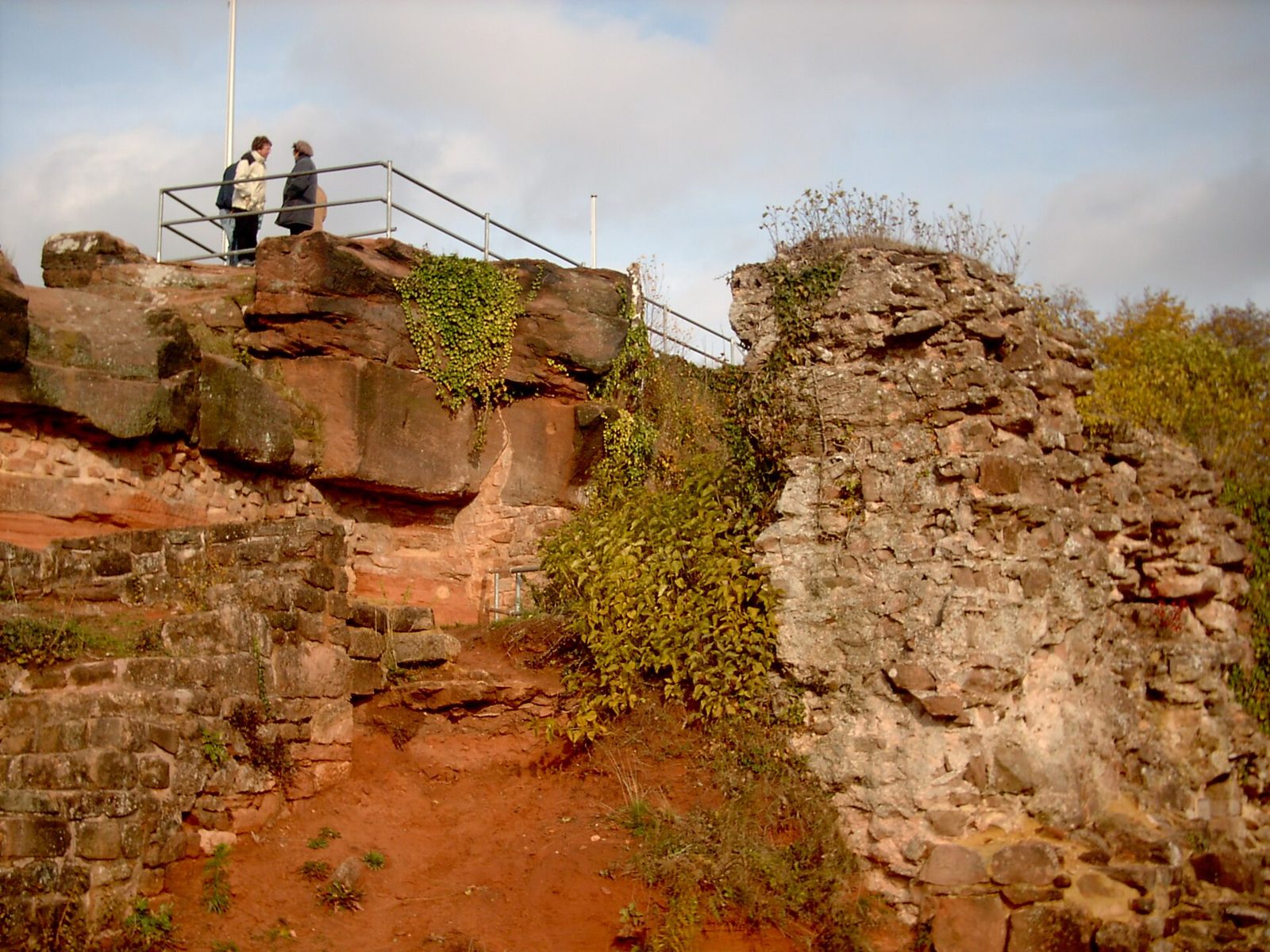
Kirkel Castle
A castle ruin on a sandstone cone in Kirkel-Neuhäusel with a viewing tower, a small museum and a rock trail. Free entry.
Homburg · 4.9 km
Hohenburg and Homburg Fortress
Ruins of a castle, Renaissance palace and Vauban fortress on the Schlossberg above Homburg, excavated since 1981, with wide views over the town.
Blieskastel · 6.1 km
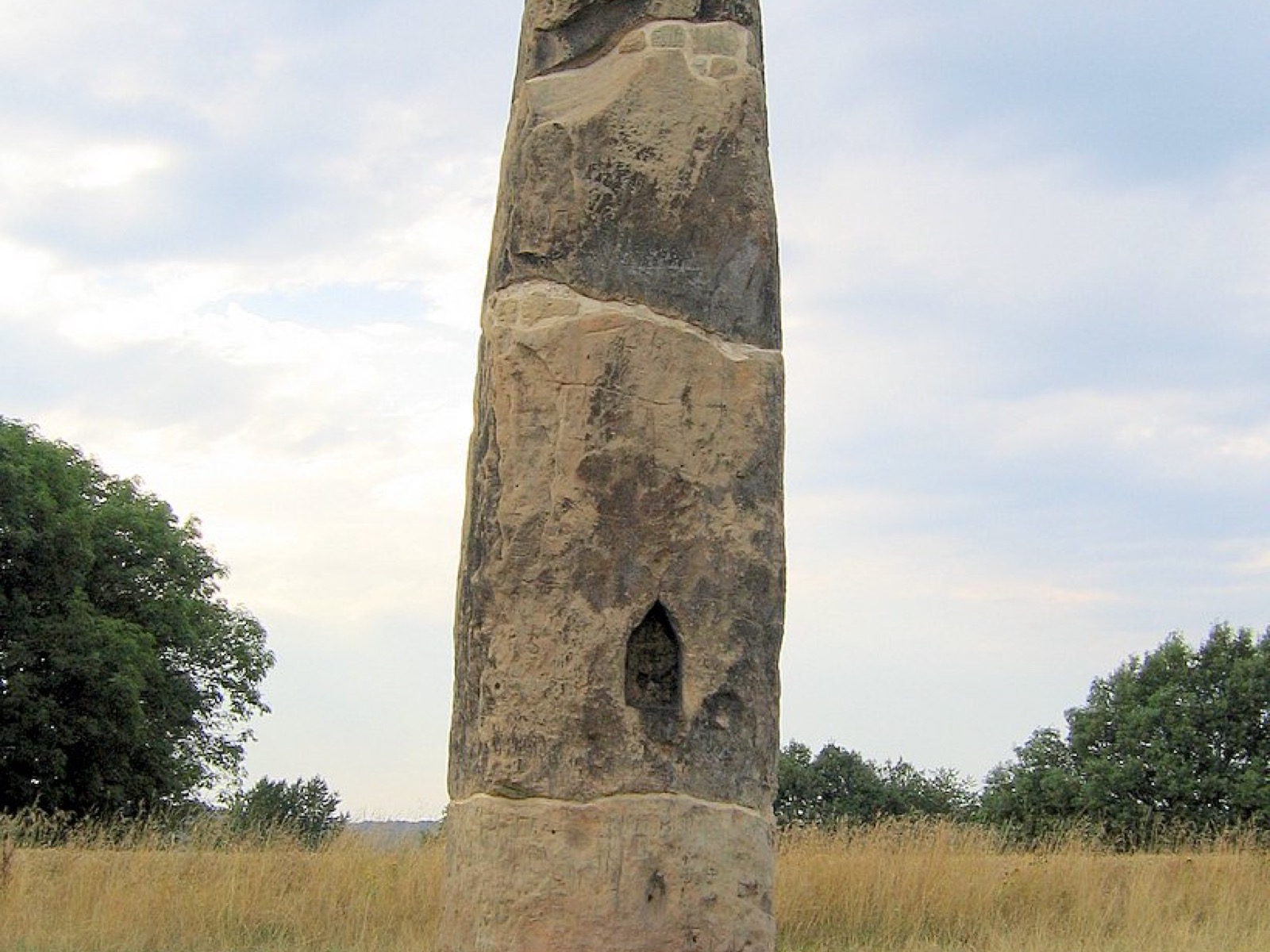
The Gollenstein near Blieskastel
The Gollenstein near Blieskastel, almost seven metres tall and about 4,000 years old, is regarded as the largest menhir in Central Europe.
Blieskastel · 6.4 km
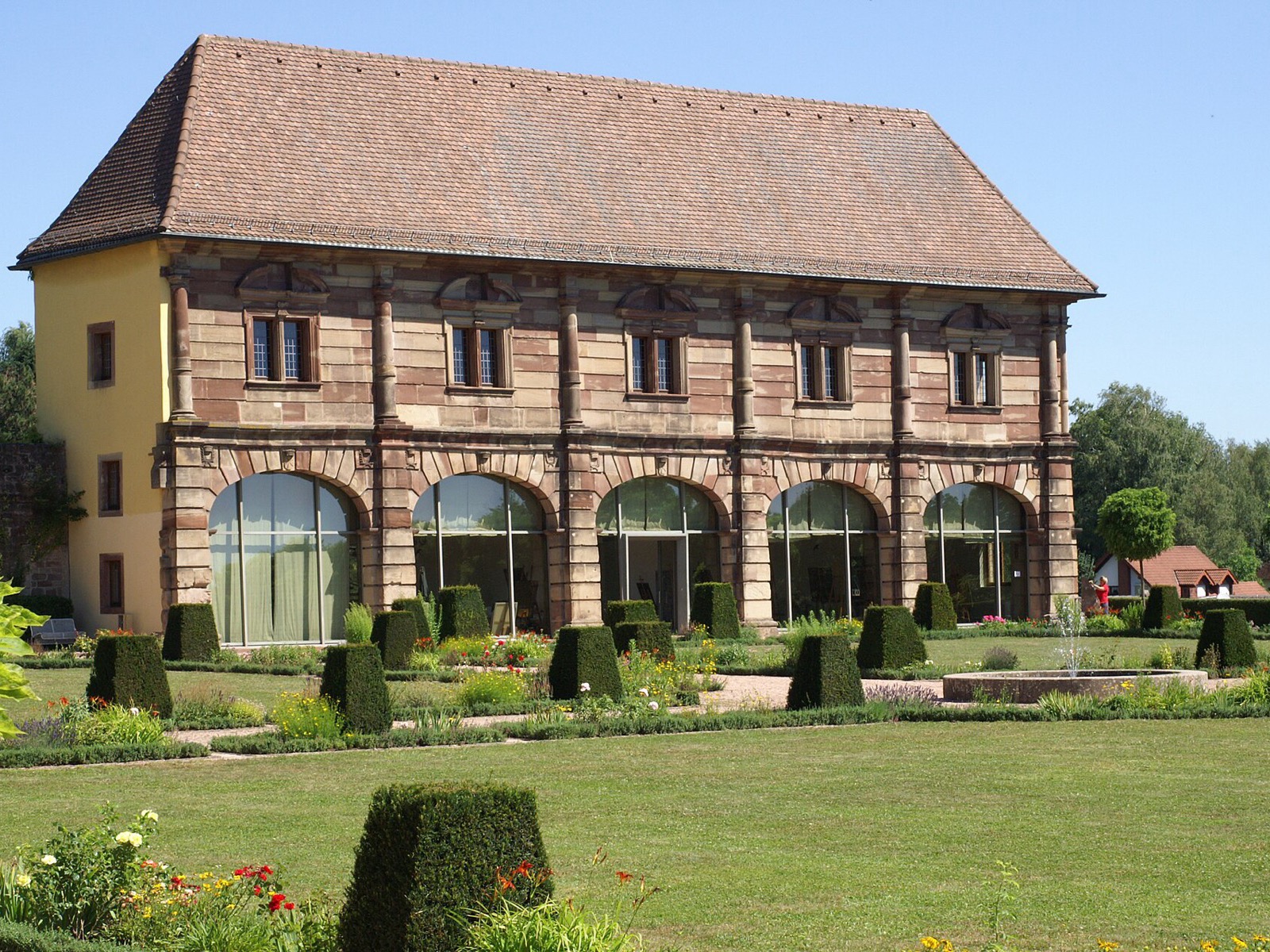
Orangery and Old Town of Blieskastel
The Baroque old town of Blieskastel with its orangery of 1670, the palace church, the parade square and a fountain dedicated to Napoleon.
Distances as the crow flies