
Roman Museum Schwarzenacker
Open-air museum in Homburg-Schwarzenacker on the site of a Gallo-Roman town destroyed around 275 AD, with rebuilt houses, a temple and a Baroque mansion.
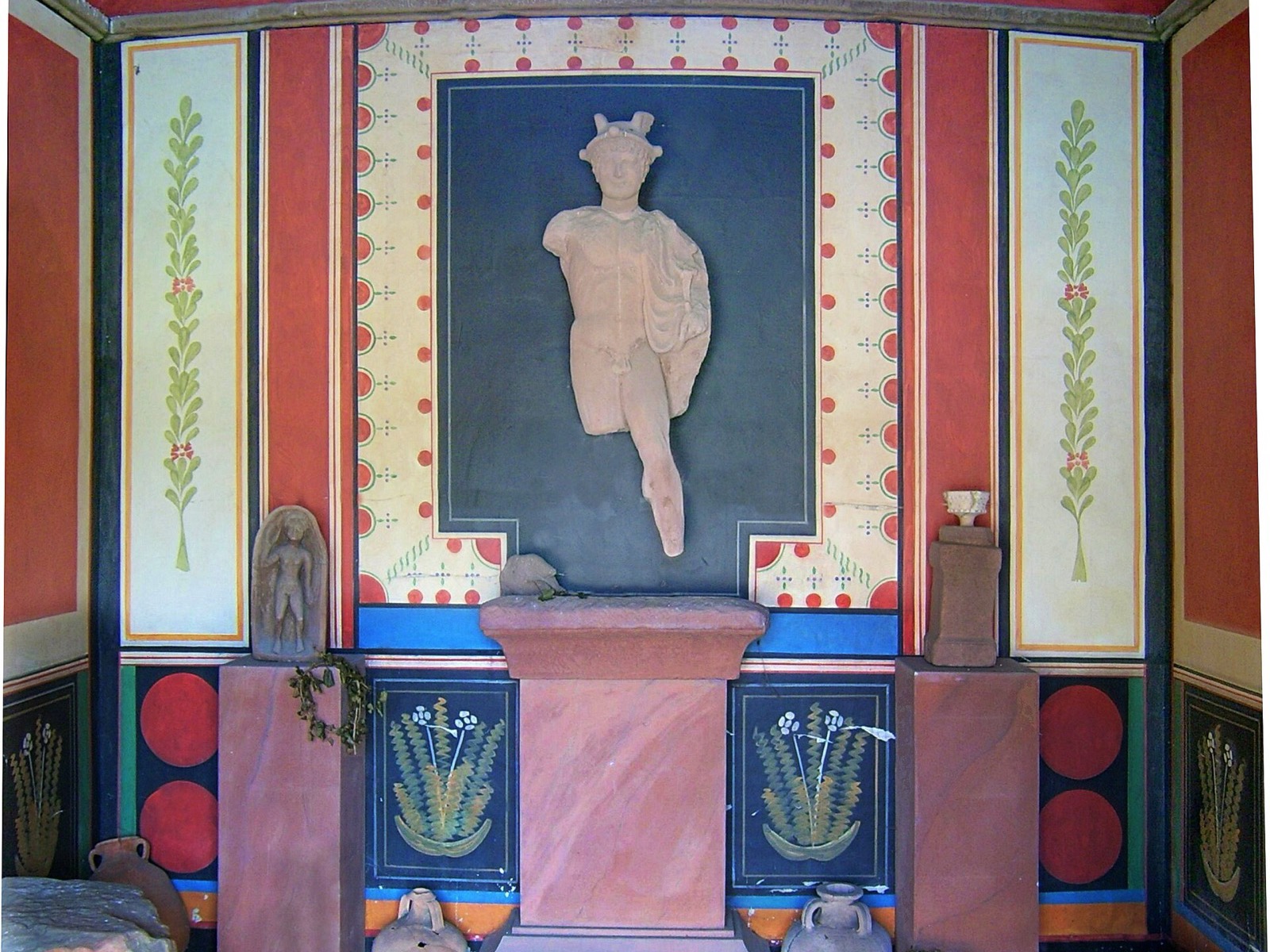
Photo: Lokilech · CC BY-SA 3.0
A Gallo-Roman town of about 2,000 people once stood at Schwarzenacker, now part of Homburg. Founded under Emperor Augustus on the road to Trier, it was destroyed by the Alemanni in 275 or 276 AD. Its ancient name is unknown.
Since 1966 part of the town has been turned into an open-air museum. You walk along excavated streets and see cellars and rebuilt houses, including the House of the Eye Doctor with wall paintings and underfloor heating, a tavern and a bakery. The garden contains a reconstructed temple of Mercury. The 18th-century mansion displays Roman finds and about 30 late Baroque paintings on loan from Munich.
Open from March to October, closed from November to February. Adults pay 7 euros. A combined ticket with the Schlossberg Caves costs 10 euros.
Near Roman Museum Schwarzenacker
Homburg · 700 m
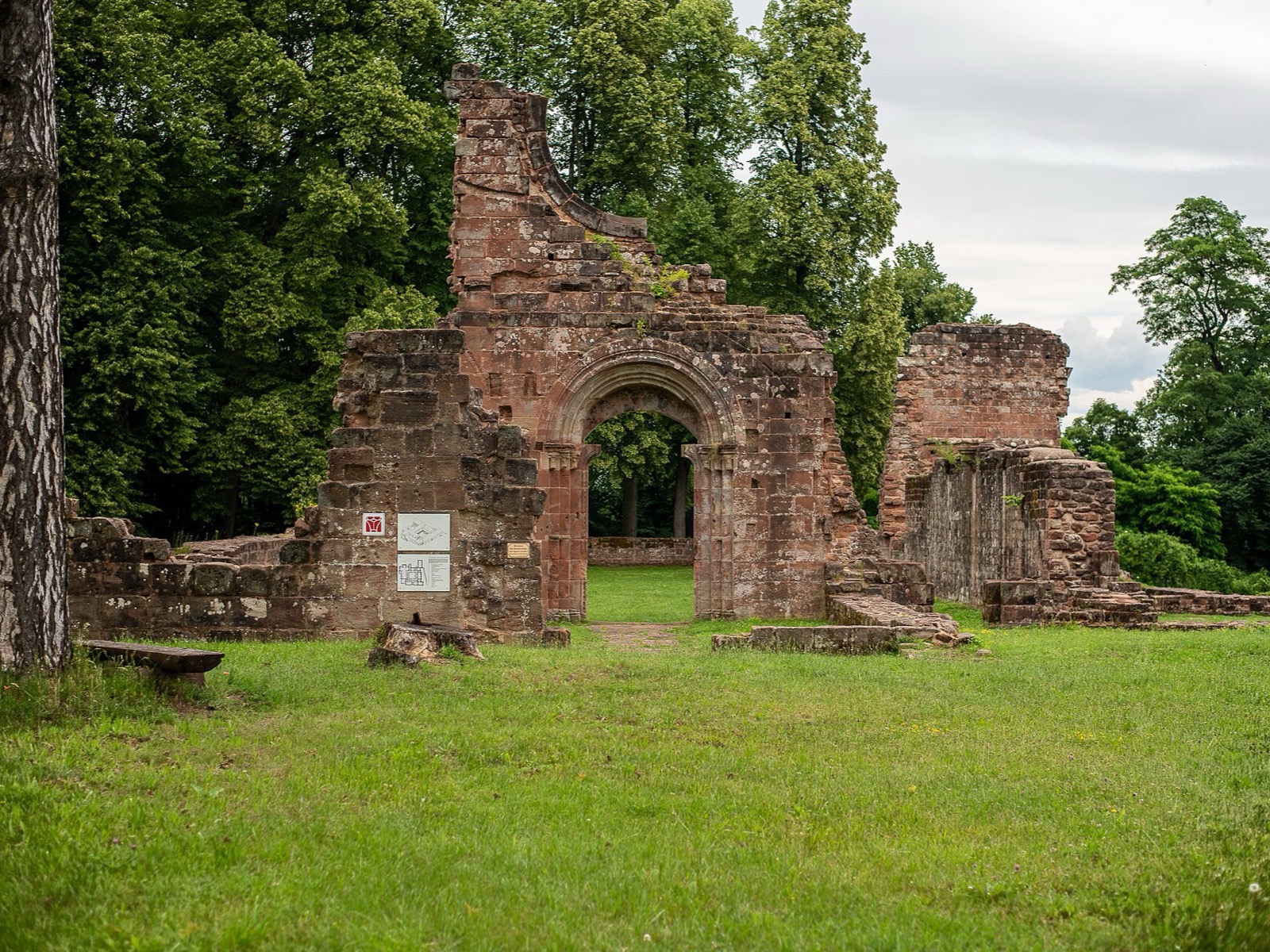
Wörschweiler Abbey Ruins
Ruins of a Cistercian abbey on a hill above the Blies valley near Homburg, founded in 1131 and burned down in 1614, freely accessible on foot.
Homburg · 4.6 km
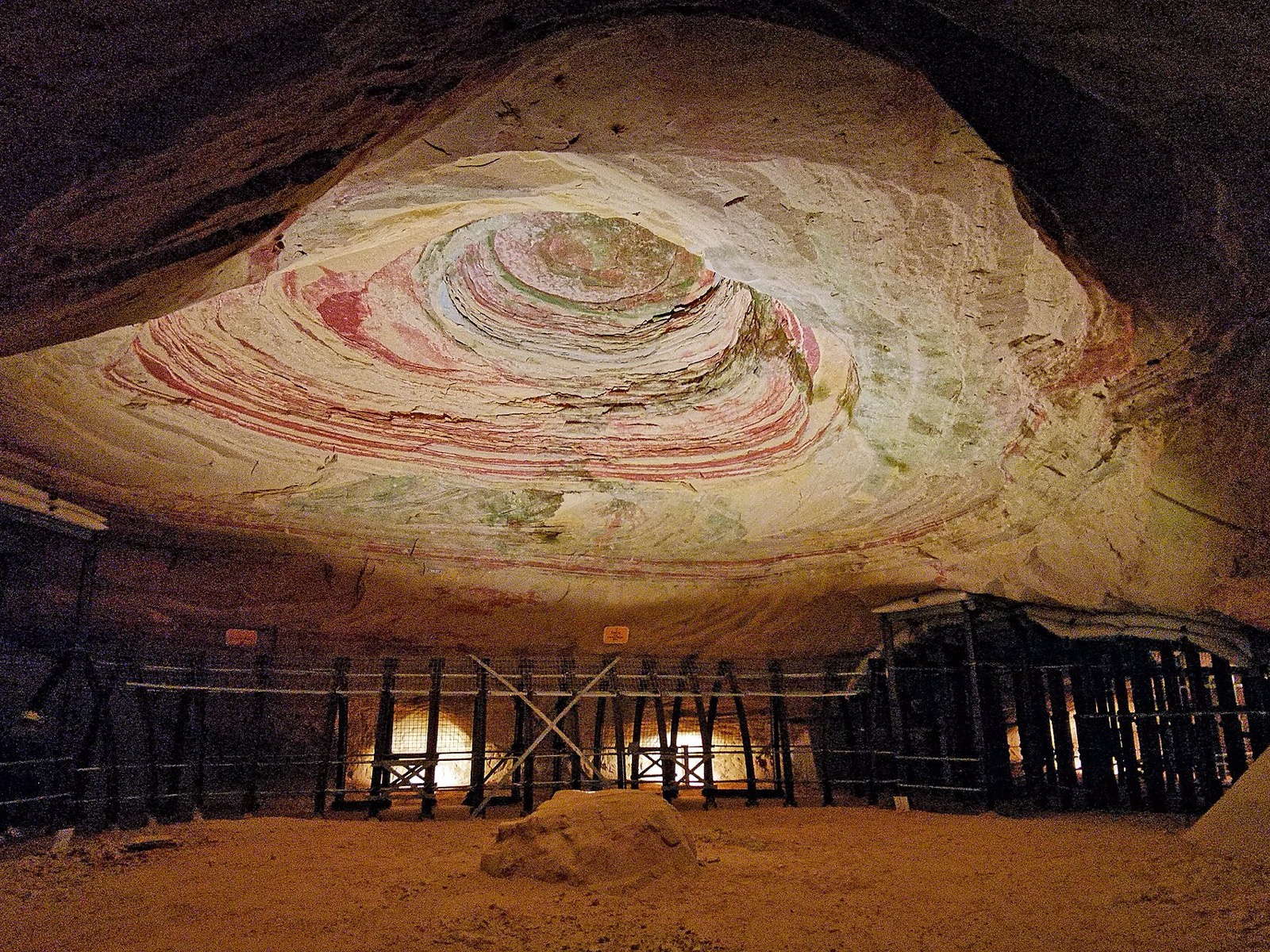
Schlossberg Caves Homburg
Europe's largest sandstone caves beneath the Schlossberg in Homburg: an 800-metre circuit through colourful halls and an unfinished 1950s bunker.
Homburg · 4.7 km
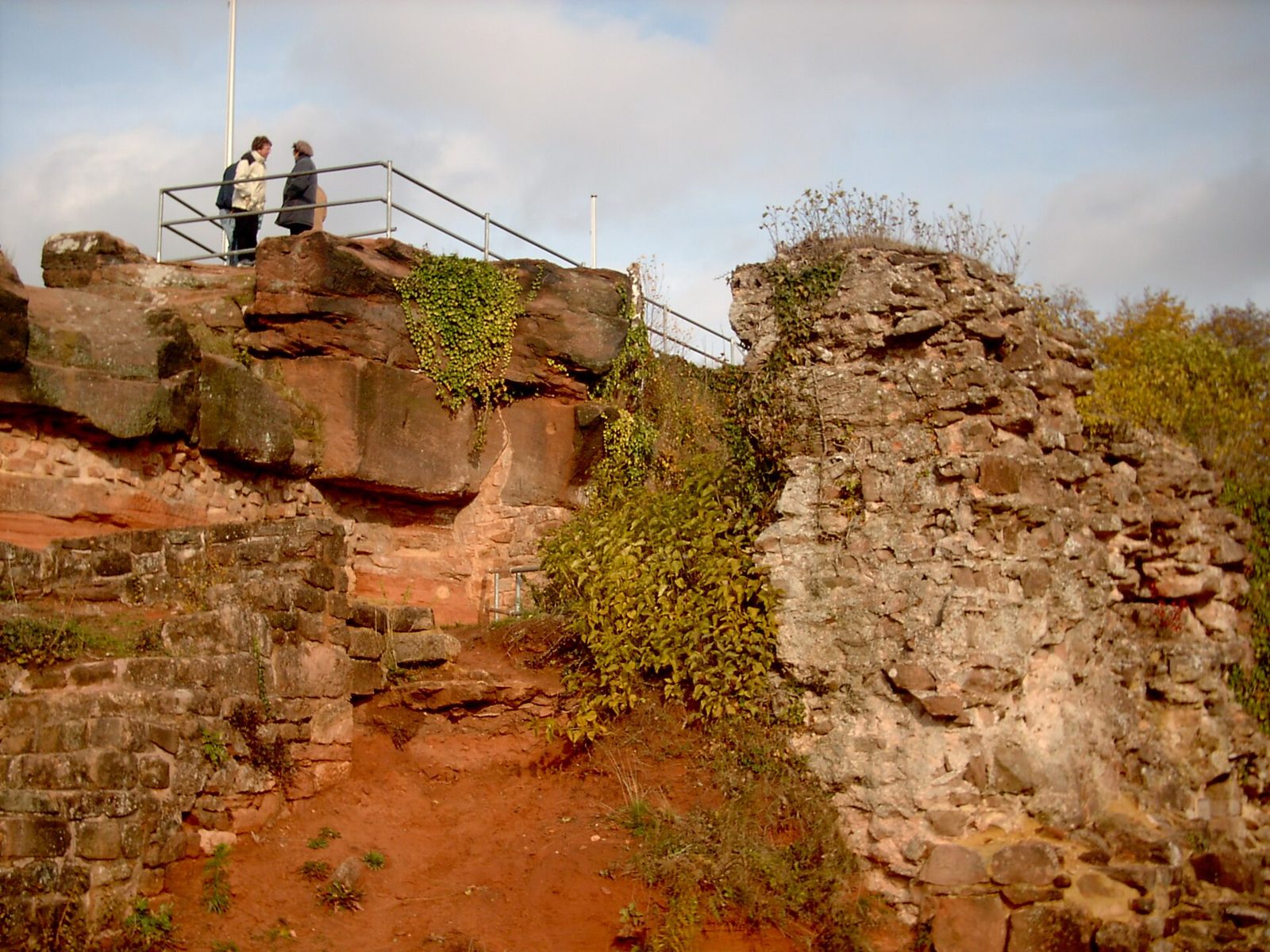
Hohenburg and Homburg Fortress
Ruins of a castle, Renaissance palace and Vauban fortress on the Schlossberg above Homburg, excavated since 1981, with wide views over the town.
Blieskastel · 5.5 km
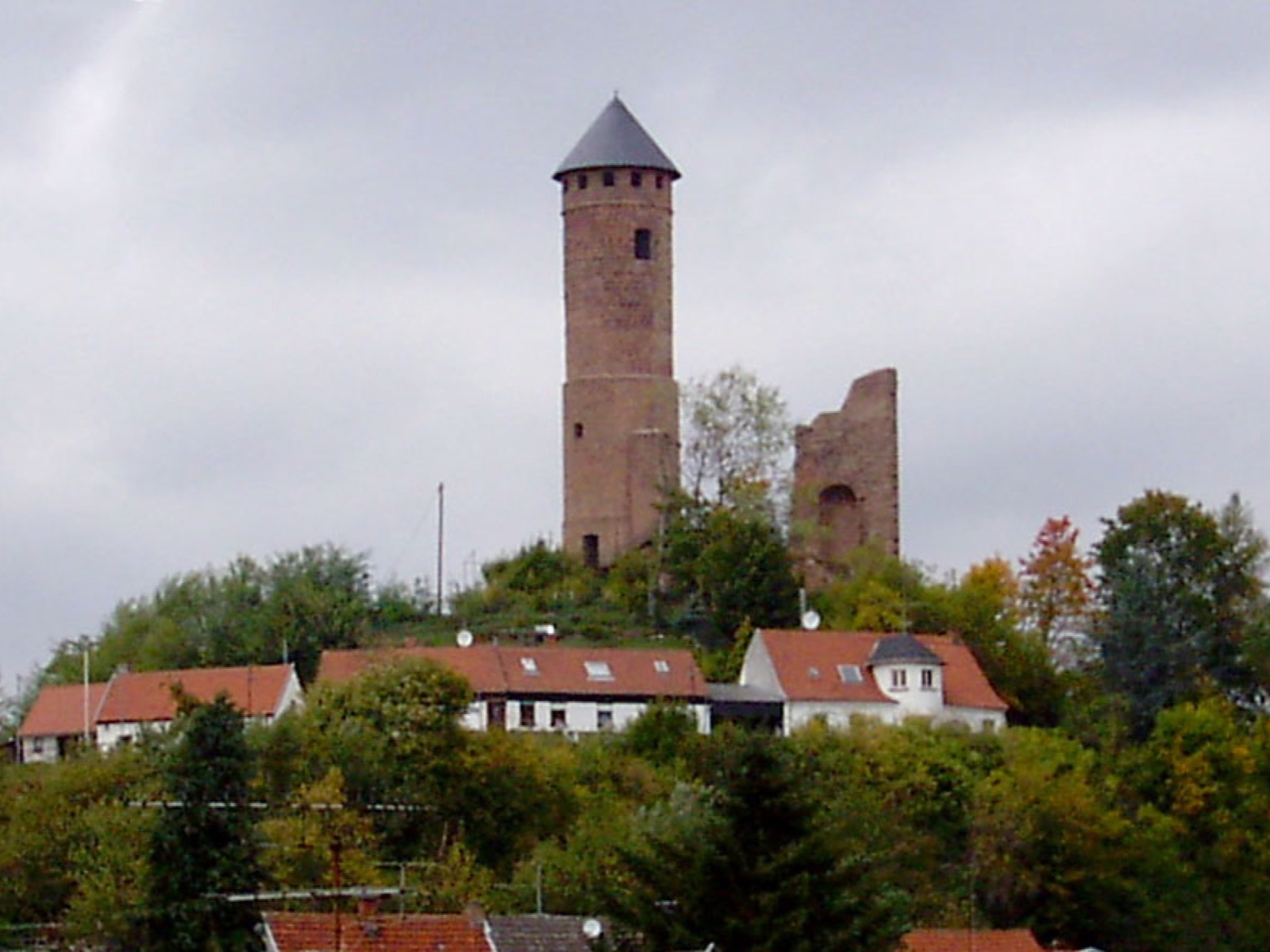
Kirkel Castle
A castle ruin on a sandstone cone in Kirkel-Neuhäusel with a viewing tower, a small museum and a rock trail. Free entry.
Blieskastel · 6.5 km
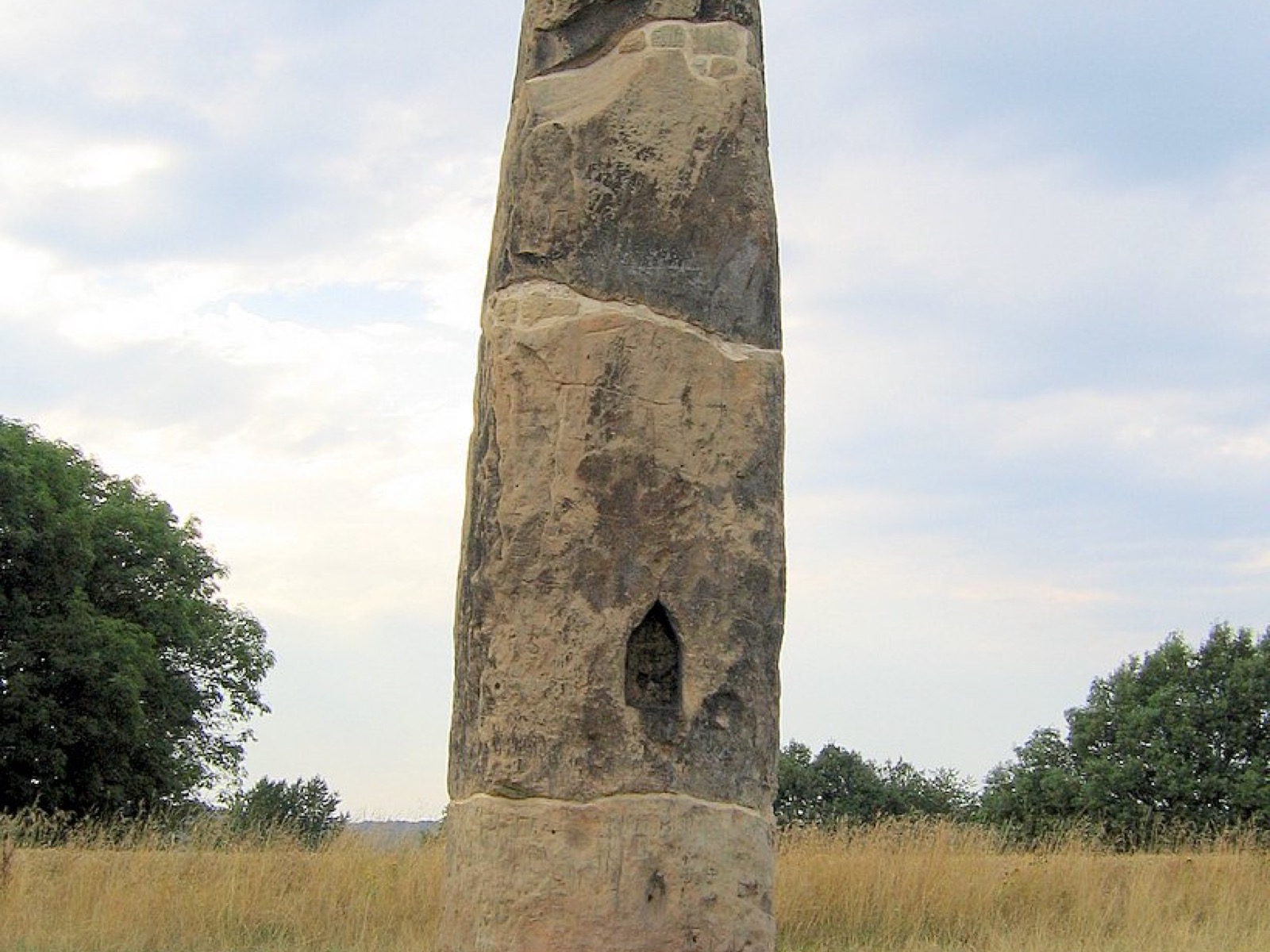
The Gollenstein near Blieskastel
The Gollenstein near Blieskastel, almost seven metres tall and about 4,000 years old, is regarded as the largest menhir in Central Europe.
Blieskastel · 6.7 km
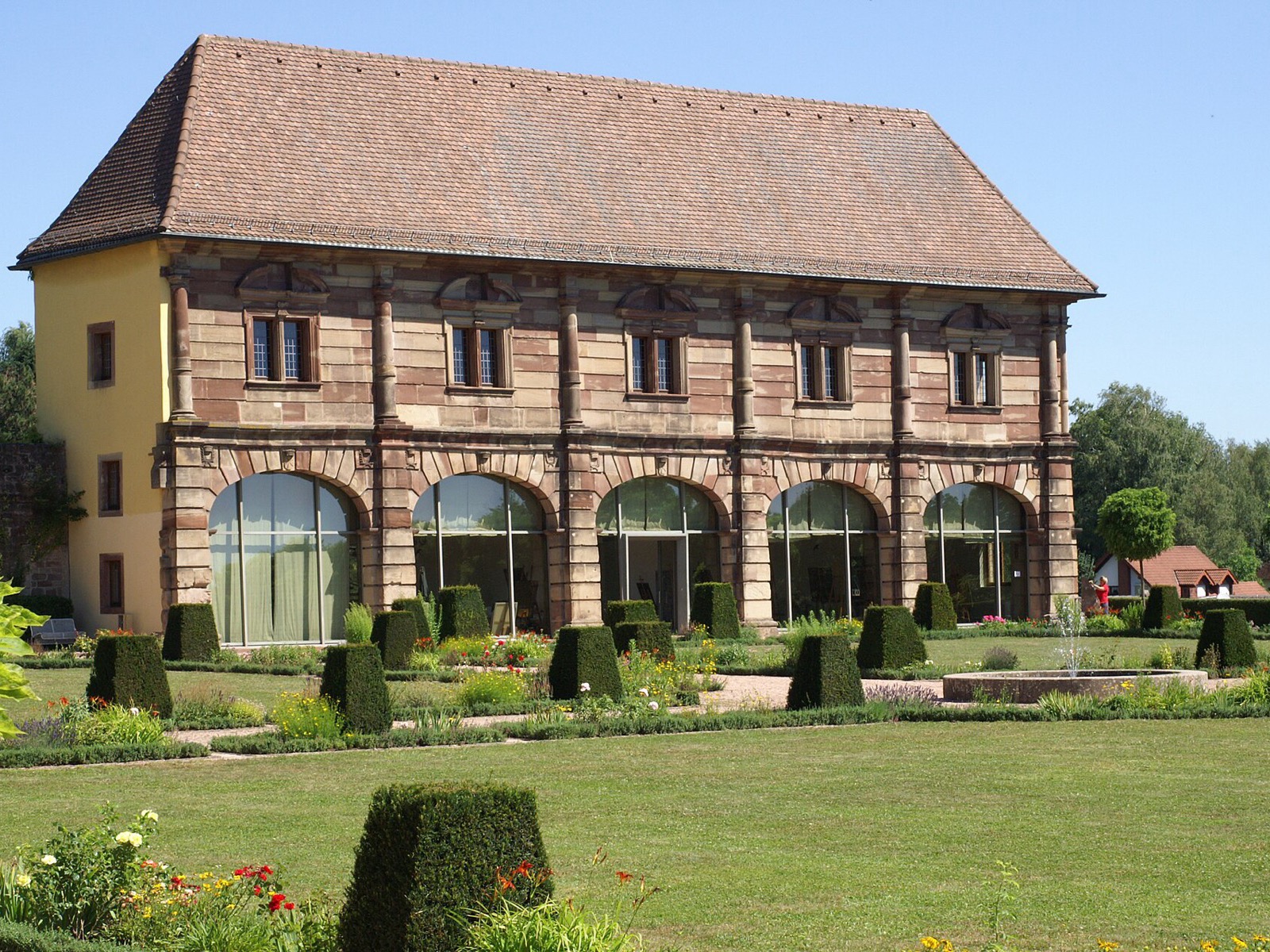
Orangery and Old Town of Blieskastel
The Baroque old town of Blieskastel with its orangery of 1670, the palace church, the parade square and a fountain dedicated to Napoleon.
Distances as the crow flies